Memecoins
Native Solana memecoins. Intraday, slot by slot.
A simulated account on the real prices of Solana — native memecoins, priced against the curve or the pool at a given block. Pass without breaking a risk limit, and it pays you in USDC.

Three states, one account. You move from the first to the last without ever changing terminal, instrument or rule.
The full walkthrough, step by step →Buy a plan on the track you want — the purchase transaction is what creates the account. You then trade it in the terminal, on live prices, until you have booked the profit target without ever crossing one of the two loss floors.
The account resets to its starting size and a certificate is minted on chain. Same rules, same terminal, same instruments — but the profit you book from here is yours to withdraw.
Once the conditions are met you request the payout from your dashboard, and your share arrives in USDC, on chain, at the wallet you set. Each payout closes a cycle and opens the next.
Two universes with nothing in common, so two separate evaluations. An account belongs to one track and trades only that track’s instruments.
Every number here is read live from /api/rules — the same module the engine enforces. There is no second copy to drift.
Native Solana memecoins. Intraday, slot by slot.
It buys the evaluation — not the funding, and not a refund: the fee is at risk in full. What it does buy is a real account on real prices, and a payout in USDC if you pass.
Every rule of every plan →The prices are real, the trading is simulated. Your orders never touch a market: they are filled by our engine against the live state of the chain — a Pyth update for equities, the pool reserves at block N for memecoins. Only the money moves on chain: what you pay to enter, and what you are paid out.
It is gone. The evaluation fee is at risk in full, it is not a deposit and it is not refunded on a breach. That is the whole model, here as everywhere else in this industry: most candidates do not pass, and their fees fund the payouts of those who do. If that trade is not one you want to make, do not make it.
No. You connect a wallet and sign a message — there is no account to create, no document to upload, no email required. Some jurisdictions are refused all the same, by IP and by signed attestation, and the refusal states which one and why.
You recompute them. Every fill ships a signed receipt carrying its on-chain anchor — a Pyth update id, or a block number plus the pool state. Take it to any public RPC and you get the same price, forever. No other prop firm hands you that, because on every other one the fill comes out of a server you have to trust.
In USDC, on chain, to a wallet you set yourself. You request the payout from your dashboard once the published conditions are met — a minimum funded time, a minimum amount, a number of winning days. Payouts are made at the firm’s discretion under those rules, which are the same ones the engine enforces.
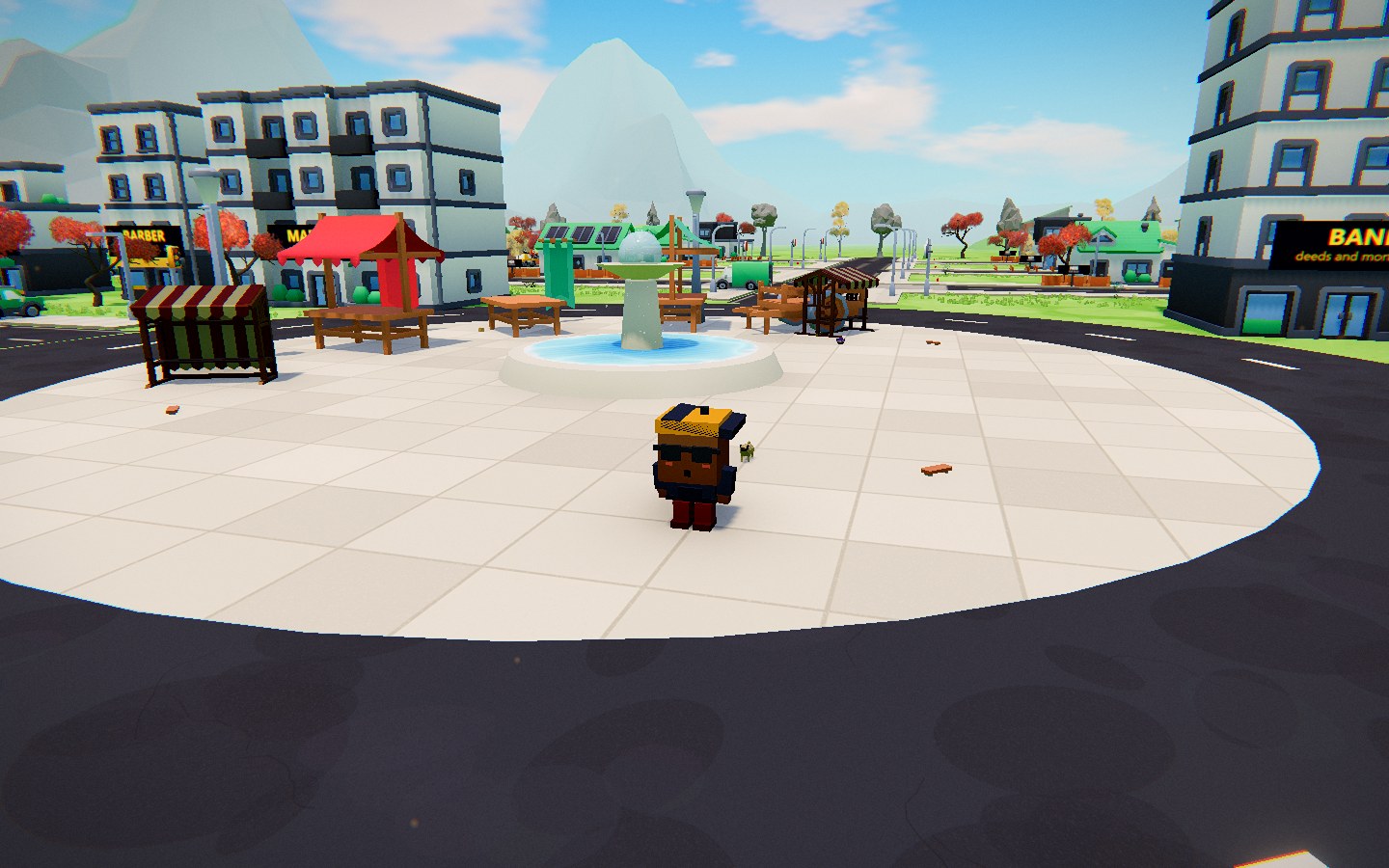
Native Solana memecoins, intraday, slot by slot — pump.fun bonding curves and the PumpSwap pools they graduate into. Every fill is priced against the real state of the curve or the pool at a given block, so the impact you pay is the impact that existed, not a modelled approximation.
No, and this is worth stating because the incumbent product gets it wrong: it evaluates triggers with a three-second timer inside your browser, so a closed tab is a dead stop. Ours are evaluated by a continuous server loop. Close the tab, close the laptop — the stop still fires.